Mentee Reflections from the ECS Advisership Program: Shanu Shukla
Mentorship can play an important role in shaping how research ideas develop over time. It creates space for early career scholars to refine their thinking, strengthen their work, and engage in meaningful academic dialogue.
That is part of what the ISSBD Early Career Scholars (ECS) Advisership Program was designed to do: create space for emerging researchers to develop their ideas in conversation with experienced scholars.
For Shanu Shukla, the program offered an opportunity to further develop a manuscript on media multitasking for journal submission. Working with Dr. Federico Manzi, Shanu refined the paper’s theoretical framing, strengthened the clarity of the arguments, and brought the manuscript to submission.
In the reflections below, Shanu shares how the mentorship supported the writing process, shaped the way they approach academic work, and reinforced the value of collegial scholarly exchange.
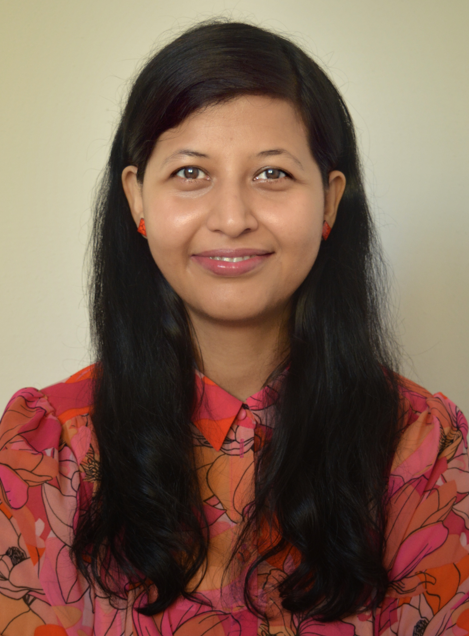
Shanu Shukla, Masaryk University, Brno, Czech Republic
What specific goal or project did you bring into the Advisership Program, and how did working with your mentor help you progress toward it?
I entered the program with the goal of developing a manuscript on media multitasking for journal submission. With Dr. Federico Manzi’s guidance, I was able to refine the theoretical framing, strengthen the clarity of the arguments, and ensure consistency throughout the paper. We successfully submitted the manuscript, which is currently under review.
Can you describe a moment or piece of advice from your mentor that changed the way you think about your research or career?
Dr. Federico’s calm and thoughtful approach stood out to me. He asked fundamental questions that encouraged deeper reflection without imposing his views. His emphasis on maintaining consistency and coherence throughout the manuscript changed the way I approach academic writing and strengthened my analytical thinking.
What was the biggest challenge you faced during this mentorship, and how did the guidance you received help you navigate it?
I was fortunate not to face major challenges during the mentorship. From our very first meeting, there was a strong research fit, and Dr. Federico was extremely cooperative and supportive.
One potential challenge was the limited six-month timeframe. However, because I had already planned the research article and came prepared with a clear idea and goals, we were able to use the time efficiently. The structured meetings and ongoing communication helped us maintain steady progress, ensuring that we stayed on track toward submission.
What have you achieved since your first advising session that you believe wouldn’t have happened without this mentorship?
The key achievement was the submission of our manuscript to a peer-reviewed journal. While I had the initial idea, the refinement, clarity, and confidence to bring it to submission were significantly strengthened through this mentorship.
How has this experience influenced your confidence, skills, or plans for the next stage of your career?
Even at a relatively advanced early-career stage, I found the structured space for focused dialogue extremely valuable. Having dedicated time to think through ideas, receive detailed feedback, and discuss positioning strengthened the clarity and coherence of my work.
The experience also reinforced the importance of intentional global scholarly exchange. It created a collegial connection that I hope will continue through future academic conversations and collaborations.
Shanu’s reflections highlight how mentorship can support research in ways that are both focused and sustained over time.
Through the ECS Advisership Program, early career scholars are able to strengthen work already in progress, think more carefully about their ideas, and benefit from structured academic dialogue.
In this case, that meant creating the space to refine a manuscript, bring it to submission, and build a collegial connection that may continue through future collaboration.